Lift failures across the UK are more than just inconveniences—they’re costly, disruptive, and can pose real safety risks. From London high-rises to commercial buildings in Slough, proper lift maintenance is non-negotiable. However, building managers frequently make avoidable mistakes that contribute to unnecessary downtime and skyrocketing costs. Here’s a look at the top five lift maintenance errors—and how to avoid them.
1. Choosing the Wrong Maintenance Contract
Too many managers opt for basic, low-cost contracts that cover minimal services. These often exclude breakdowns, creating a reactive maintenance culture. For example, one housing association spent £81,000 on basic service but faced an additional £152,000 in breakdown costs. Choosing a qualified contractor with a comprehensive plan—including preventive maintenance and emergency response—is crucial.
2. Skipping Preventive Maintenance
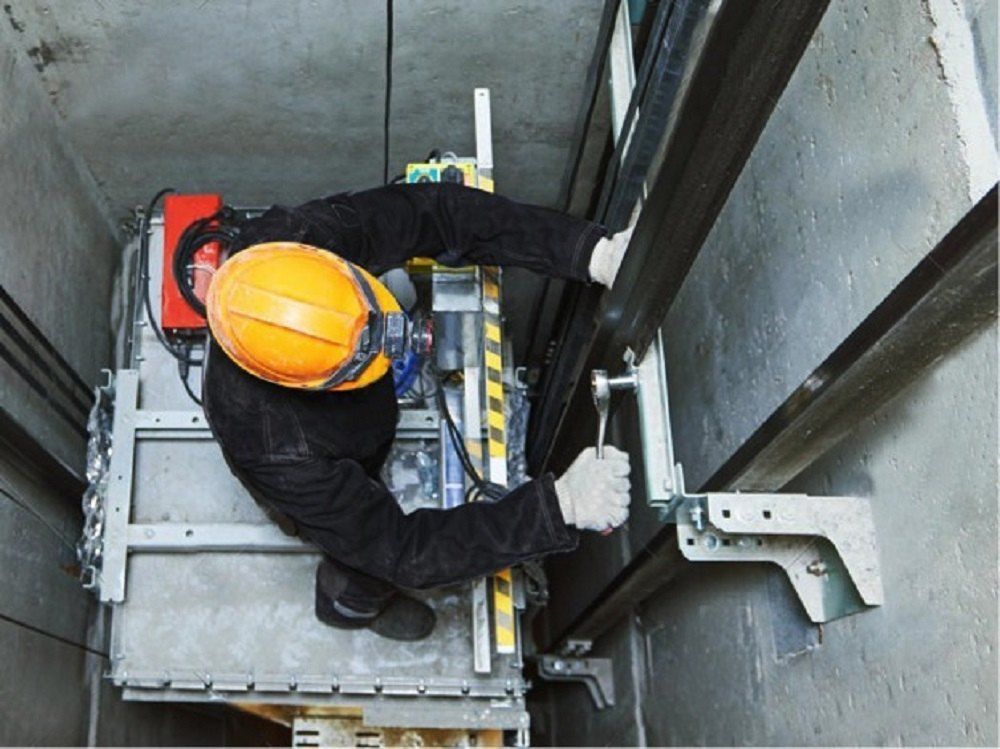
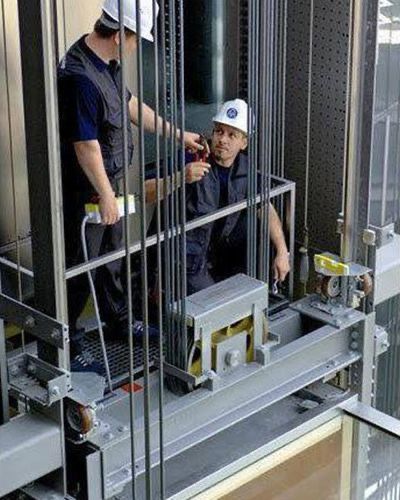
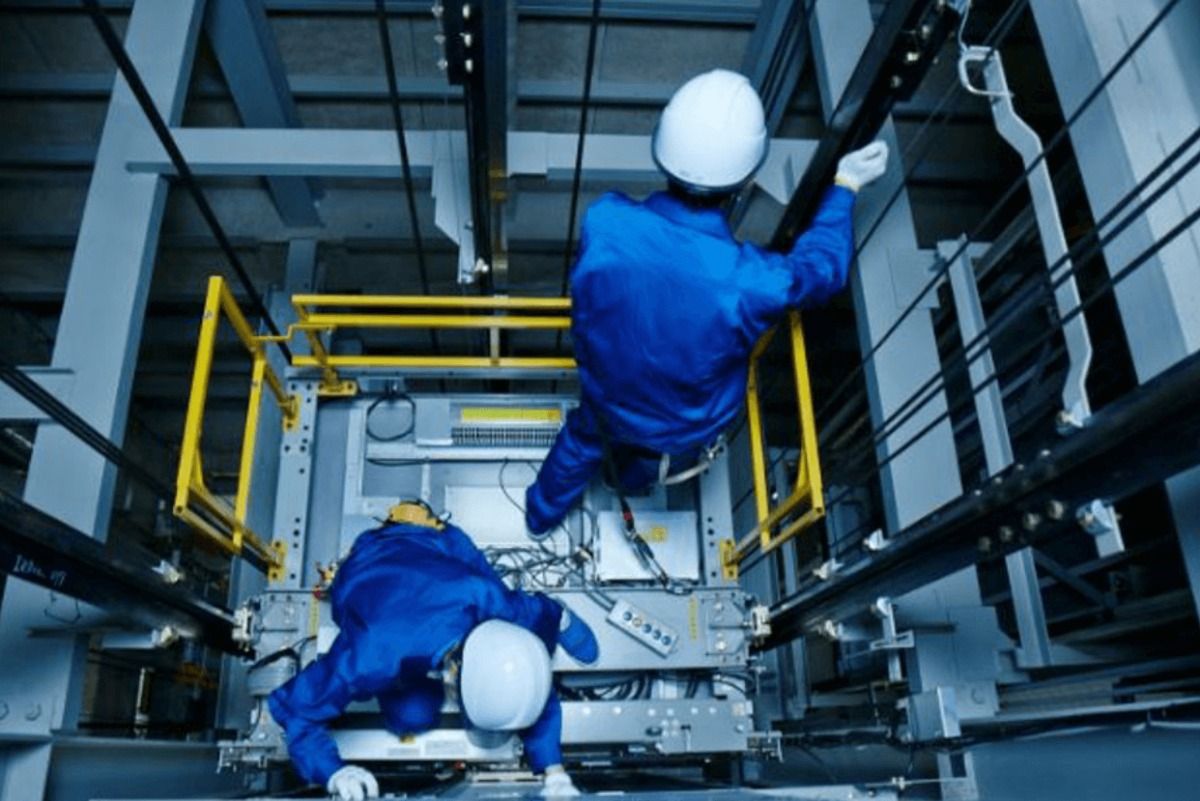
Regular servicing is essential. When lifts aren’t inspected frequently, small issues—like worn cables or faulty relays—escalate into full system failures. A reactive approach not only increases repair costs but also shortens the life of your lift. Scheduled preventive maintenance ensures reliability and compliance with LOLER regulations, which mandate six-monthly examinations by competent professionals.
3. Overlooking Door Malfunctions
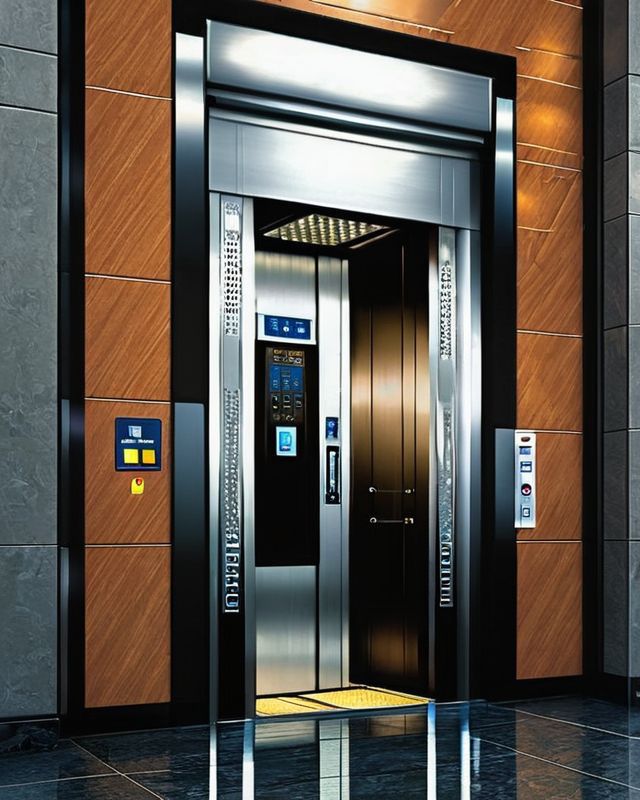
Over 50% of lift breakdowns stem from door issues. Misaligned tracks, dirty sensors, or worn components can lead to stuck doors or passenger entrapment. Regular cleaning, calibration, and inspection of door mechanisms are essential—and easy to overlook without a detailed maintenance checklist.
4. Poor Communication and Documentation
Failure to share maintenance records or defect reports can delay repairs and risk safety. As seen in the tragic Serendipity Care Home incident, communication breakdowns between managers and contractors had fatal consequences. Keeping detailed logs and ensuring real-time updates between teams can prevent these issues.
5. Not Planning for Parts and Obsolescence
Older lifts often face parts shortages or technology incompatibility. Delayed upgrades or lack of spare parts planning can leave buildings without working lifts for weeks. Work proactively with your service provider to identify critical components and ensure strategic parts inventory and upgrade timelines.
Flylifts is your comprehensive and reliable partner for lift services
Avoid these costly pitfalls by partnering with a trusted, qualified provider. At FlyLifts, we offer comprehensive lift maintenance services tailored to your building’s needs—whether you’re in Slough, London, or beyond. Our team ensures legal compliance, proactive servicing, and fast emergency response.
Contact FlyLifts today to schedule a consultation and keep your lift—and your tenants—moving safely and smoothly