London’s skyline is defined by towering residential blocks, bustling commercial buildings, and historic structures reaching toward the clouds. But behind every smooth vertical journey lies a complex system that, when it fails, can bring entire buildings to a standstill. With lifts breaking down an average of four times per year—resulting in approximately 272 million hours of downtime globally—understanding elevator maintenance isn’t just important for London property managers, it’s critical.
Whether you’re managing a Victorian conversion in Kensington or a modern high-rise in Canary Wharf, elevator problems don’t discriminate. The key is knowing what to look for, how to respond, and when to call in the professionals.
The Big Three: London’s Most Common Elevator Problems
1. Door Malfunctions: The Daily Disruption
If you’ve managed London properties for any length of time, you’ve likely dealt with door issues. They’re not just the most common elevator problem—they’re also the most disruptive to daily operations.
Misaligned Doors are particularly troublesome in London’s older buildings. As structures settle over time (a common occurrence in properties built on London’s clay soil), elevator doors gradually lose their alignment with tracks and landings. The result? Doors that drag, stick, or refuse to close properly create bottlenecks in busy buildings.
Slow-moving doors plague high-traffic buildings across London. When door operator motors begin to fail or control systems malfunction, what should be a quick 3-4 second door cycle stretches into an agonising 10-15 seconds. In a busy office building in the City, this translates to significant delays and frustrated tenants.
Safety Sensor Malfunctions present a particularly complex challenge. While these sensors are crucial for passenger safety, older systems can become overly sensitive or completely unresponsive. Overly sensitive sensors prevent doors from closing at all, while faulty sensors create genuine safety hazards.
The London Solution: Regular track cleaning is essential in our dusty urban environment. Weekly maintenance protocols using proper cleaning tools can prevent many door-related issues. For serious problems, London-based specialists like VM Elevators and Sheridan Lifts offer professional realignment services with 24/7 emergency response.
2. Levelling Problems: More Than Just an Inconvenience
When elevator floors don’t align properly with landing floors, it creates more than just a minor inconvenience—it creates a genuine safety hazard. In London, where the Equality Act 2010 requires precise levelling for wheelchair accessibility, this issue demands immediate attention.
Equipment Age and wear significantly impact levelling accuracy. Many of London’s residential buildings feature older hydraulic systems that develop fluid leaks, worn braking systems, or faulty levelling sensors over time. The picturesque mansion blocks of Marylebone or the converted warehouses of Shoreditch often house elevator systems that require specialised attention to maintain proper levelling.
Hydraulic System Issues are particularly common in London’s older residential properties. These systems rely on precise fluid pressure to maintain level stops, and any degradation in the hydraulic components can result in uneven floors that pose trip hazards to residents and visitors.
The London Solution: LOLER (Lifting Operations and Lifting Equipment Regulations) compliance requires six-monthly inspections specifically to address levelling issues. Companies like Elevators Ltd and Liftworks provide specialised calibration services to ensure your lifts meet current safety standards.
3. Emergency Alarm System Failures: A Critical Safety Issue
Non-functional emergency communication systems represent the most serious type of elevator problem, particularly in London’s high-rise buildings. When passengers become trapped and can’t communicate with building security or emergency services, a minor inconvenience becomes a major crisis.
Communication System Upgrades have become mandatory under the new London building codes. The London Plan 2021 includes specific requirements for enhanced emergency communication, including provisions for video communication and two-way messaging systems that accommodate deaf, hard-of-hearing, or speech-impaired passengers.
The London Solution: The Building Safety Act has introduced rigorous new requirements for lift management, particularly in higher-risk buildings. Monthly checks are now required for firefighter lifts in high-rise residential buildings, with any faults requiring immediate electronic reporting to local fire and rescue services.
London’s Regulatory Landscape: What You Need to Know
Managing elevators in London means navigating a complex web of regulations that have evolved significantly in recent years. Understanding these requirements isn’t just about compliance—it’s about protecting your tenants, your property, and your business.
LOLER Compliance: The Foundation of Safe Operation
The Lifting Operations and Lifting Equipment Regulations 1998 require six-monthly inspections for all passenger lifts in London. These aren’t superficial check-ups—they’re comprehensive examinations that assess everything from levelling accuracy to emergency communication systems.
Fire Safety England Regulations 2022: New Requirements for High-Rise Buildings
If you manage high-rise residential buildings, the Fire Safety England Regulations 2022 have introduced monthly inspection requirements for firefighter lifts and evacuation lifts. Any faults must be reported electronically to local fire and rescue services—there’s no grace period for “getting around to it.”
The Building Safety Act: Game-Changing Modifications
The Building Safety Act has brought the most significant changes to lift management requirements in decades. Public sector building managers must now implement rigorous inspection regimes, with particular attention to evacuation lifts and firefighter access lifts in higher-risk buildings.
Quick Fixes Every London Property Manager Should Know
While major elevator repairs require professional attention, there are several troubleshooting steps that building managers can safely perform to resolve minor issues and potentially avoid costly emergency callouts.
Power Supply Checks should always be your first step when elevators become unresponsive. London’s older electrical infrastructure can be prone to power fluctuations, and checking for tripped circuit breakers or loose connections can resolve many apparent “breakdowns.”
Emergency Stop Button Verification is surprisingly often overlooked. An accidentally engaged emergency stop button can completely disable an elevator, leading to unnecessary emergency callout fees.
Door Track Cleaning can resolve many slow or sticky door operations. Building maintenance staff can safely clean door sills and tracks using appropriate brushes or vacuum cleaners, potentially saving both time and money.
Sensor Cleaning involves carefully wiping safety sensor surfaces to remove dust and debris. This simple maintenance task can eliminate false readings that prevent normal door operation.
The Cost of Getting It Wrong
Elevator downtime in London isn’t just inconvenient—it’s expensive. Beyond the immediate repair costs, consider the broader impact on your property:
- Tenant satisfaction and retention suffer when reliable vertical transportation isn’t available
- Property values can be affected by recurring elevator issues
- Legal liability increases when elevators don’t meet accessibility requirements
- Emergency callout fees can quickly escalate, particularly for out-of-hours service
- Regulatory fines for non-compliance with LOLER or Building Safety Act requirements can be substantial
Preventive Maintenance: Your Best Defence
The most successful London property managers understand that elevator maintenance isn’t about fixing problems—it’s about preventing them. Preventive maintenance contracts can reduce breakdown frequency by up to 75%, transforming your elevator from a constant source of stress into a reliable building asset.
Customised maintenance Packages should be based on your building’s specific usage patterns and equipment age. A busy commercial building in the City requires different maintenance protocols than a residential block in Richmond.
Independent Service Providers often offer more flexible pricing structures than manufacturer-specific contracts, while still providing comprehensive coverage for multiple elevator brands.
Parts Supply and Logistics benefit from London’s central location, with specialised companies maintaining stock of common components throughout the region for rapid deployment when issues arise.
Why Professional Expertise Matters
While building managers can handle basic troubleshooting, elevator systems are complex mechanical and electrical systems that require specialised knowledge. Attempting DIY repairs on safety-critical components can result in:
- Safety hazards for building occupants
- Regulatory violations that invalidate insurance coverage
- Equipment damage that turns minor issues into major repair bills
- Liability exposure in case of accidents or injuries
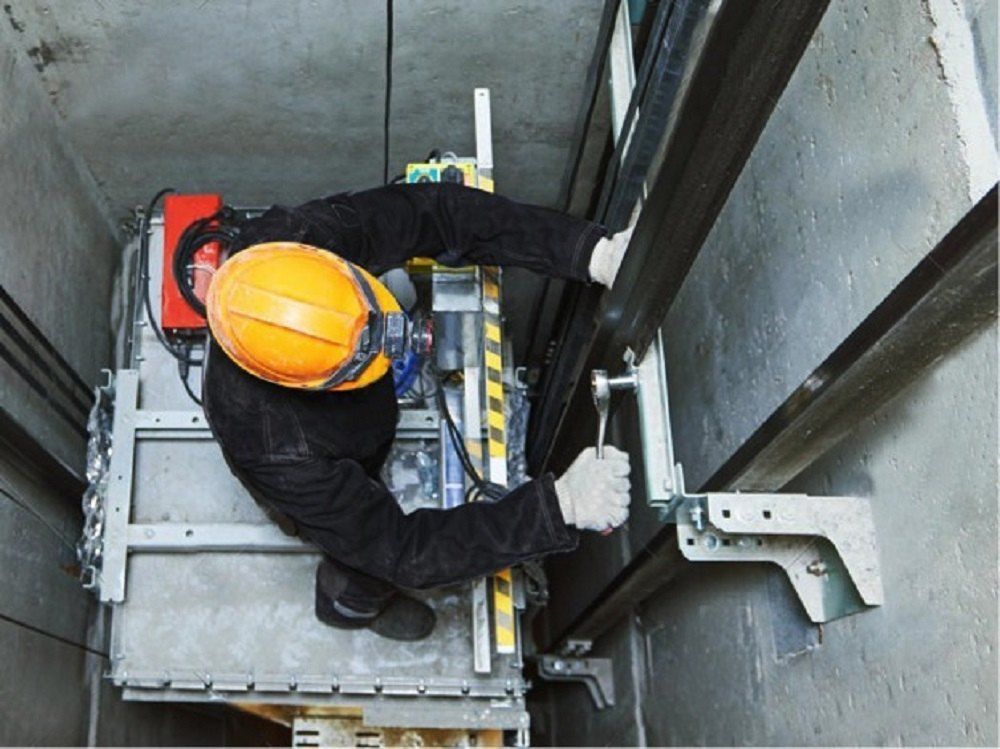
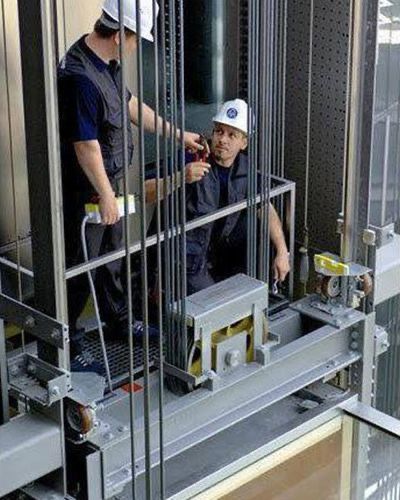
Professional elevator technicians bring specialised tools, replacement parts, and expertise that ensure repairs are completed safely, efficiently, and in compliance with current regulations.
Ready to Take Control of Your Elevator Maintenance?
Don’t let elevator problems control your building operations. Fly Lift Services brings decades of specialised expertise to London’s property management community, offering comprehensive elevator maintenance and repair solutions designed specifically for the unique challenges of our city.
Why Choose Fly Lift Services?
✅ 24/7 Emergency Response across all London boroughs, ✅ LOLER Compliance Specialists ensuring your lifts meet all regulatory requirements
✅ Building Safety Act Experts with deep knowledge of new high-rise requirements. ✅ Preventive Maintenance Programs that reduce breakdowns by up to 75% ✅ Multi-Brand Service Capability for all elevator manufacturers and models. ✅ Competitive Pricing with transparent, fixed-rate service agreements
Whether you’re dealing with persistent door problems in a Marylebone mansion block, levelling issues in a Canary Wharf high-rise, or emergency communication failures in a residential tower, Fly Lift Services has the expertise, equipment, and local knowledge to get your elevators running smoothly.
Get Your Free Elevator Assessment Today
Contact Fly Lift Services for a comprehensive evaluation of your elevator systems. Our London-based engineers will assess your current maintenance needs, identify potential issues before they become problems, and provide a customised service plan that fits your budget and building requirements.
Don’t wait for the next breakdown—take control of your elevator maintenance today with London’s trusted lift service professionals.