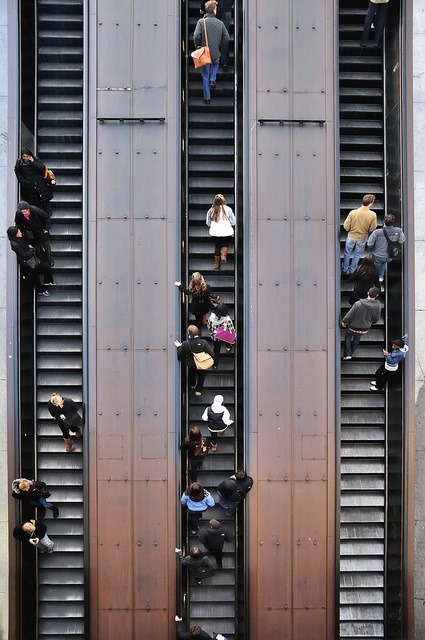
We use escalators every day without giving them much thought. Whether you’re rushing to catch a train, heading to your office, or shopping at the mall, these moving staircases are everywhere. But here’s something that might surprise you: escalators cause about 6,000 injuries each year in the United States alone.
Don’t worry, though – most escalator accidents are completely preventable. With the right knowledge about escalator safety tips and proper maintenance, we can all stay safe while travelling to our destinations.
Why Escalator Safety Matters More Than You Think
Before we dive into the safety tips, let’s talk numbers. Research shows that 90% of escalator incidents happen because people don’t know how to use them properly. That’s actually good news because it means we have the power to prevent most accidents just by being more aware.
The most common escalator accidents include:
- Falls (which make up 75-88% of all incidents)
- Getting caught or trapped (7.5-20% of cases)
- Sudden stops and mechanical problems (about 5%)
Children under 5, elderly people, and anyone with mobility issues face the highest risk. But with the right escalator safety tips, everyone can ride confidently.
Essential Escalator Safety Tips for Everyday Users
Before You Step On
Look Before You Leap. Always check that the escalator is moving before stepping on. It sounds obvious, but you’d be surprised how many people step onto stopped escalators expecting them to move.
Check Your Gear
- Tie your shoelaces properly
- Keep loose clothing away from the sides
- Hold onto children’s hands
- Avoid carrying large bags or strollers
While You’re Riding
The Golden Rules
- Hold the handrail – This is the most important escalator safety tip. The handrail moves at the same speed as the steps, so it’s your best friend for balance.
- Face forward – Never turn around or sit on the steps. Always look in the direction you’re travelling.
- Stay centred – Keep your feet in the middle of the step, away from the yellow lines and sides.
- One person per step – Unless you’re helping a small child, stick to one person per step.
Getting Off Safely
Step Off Promptly. Don’t hesitate at the top or bottom. Step off quickly and move away from the landing area so others can exit safely.
Watch Your Step. Pay attention to the transition from the moving step to the stationary floor. This is where many trips and falls happen.
Special Escalator Safety Tips for Families
Travelling with kids requires extra attention to escalator safety tips:
For Parents and Caregivers:
- Always hold your child’s hand
- Carry small children (under 3) rather than letting them ride alone
- Never let children play on escalators
- Teach older children the safety rules before riding
What NOT to Bring:
- Strollers (use the elevator instead)
- Shopping carts
- Large luggage or equipment
- Walkers or wheelchairs
Daily Safety Checks: What Building Managers Should Know
If you’re responsible for escalator maintenance, daily safety checks are crucial. Here’s a simple checklist that doesn’t require technical expertise:
Quick Visual Inspection
- Are all steps intact with no cracks or chips?
- Do the handrails move smoothly without jerking?
- Are the comb plates (those metal plates at the top and bottom) complete with no missing teeth?
- Is the lighting adequate throughout the escalator?
- Are emergency stop buttons clearly visible and accessible?
Listen and Feel
- Does the escalator run quietly without unusual noises?
- Do both handrails move at the same speed as the steps?
- Are there any vibrations or shaking?
Monthly Maintenance: Keeping Things Running Smoothly
While daily checks catch obvious problems, monthly maintenance digs deeper:
Key Monthly Tasks:
- Test emergency stop buttons
- Inspect step chains and wheels
- Check the handrail condition for cuts or wear
- Verify proper lighting at all levels
- Clean and lubricate moving parts
Professional Help Required: Some maintenance tasks need trained technicians, including electrical system checks, motor maintenance, and safety device testing.
Quarterly and Annual Professional Maintenance
Serious escalator maintenance happens on a schedule:
Every Three Months:
- Deep cleaning of motors and electrical components
- Inspection of wear points and bearings
- Testing of all safety systems
- Lubrication of critical moving parts
Once a Year:
- Comprehensive safety inspection
- Removal and inspection of steps
- Motor and electrical system overhaul
- Complete documentation update
Emergency Situations: What to Do When Things Go Wrong
Even with the best escalator safety tips and maintenance, emergencies can happen. Here’s what you need to know:
If Someone Gets Hurt:
- Press the emergency stop button immediately (they’re usually red and located at the top and bottom)
- Call for help
- Don’t try to move injured people unless they’re in immediate danger
- Keep other passengers away from the area
If You Can’t Reach the Stop Button: In extreme situations, you can kick the brush panels on the sides of the escalator – they’re designed to stop the machine if damaged.
The Cost of Ignoring Safety
Poor escalator maintenance isn’t just dangerous – it’s expensive. Regular maintenance can:
- Reduce accident rates by up to 75%
- Extend equipment life by years
- Avoid costly emergency repairs
- Prevent legal liability issues
- Keep buildings compliant with safety codes
Building a Safety Culture
The best escalator safety tips work when everyone’s on board. Building managers should:
- Train staff on basic safety procedures
- Post clear safety signs
- Educate regular users about proper escalator etiquette
- Keep maintenance records up to date
- Respond quickly to safety concerns
Modern Technology and Safety
Today’s escalators are smarter than ever. New safety features include:
- Sensors that detect obstructions
- Automatic speed adjustment
- Advanced monitoring systems
- Predictive maintenance technology
These innovations are making escalators safer, but they don’t replace the need for good old-fashioned common sense and proper maintenance.
Your Role in Escalator Safety
Remember, escalator safety is a team effort. Whether you’re a daily commuter, a parent with children, or a building manager, you play a crucial role in keeping everyone safe.
As a Rider:
- Follow basic safety rules
- Be patient and courteous
- Report obvious problems to building management
- Help others when appropriate (like reminding children to hold the handrail)
As a Building Owner or Manager:
- Invest in regular professional maintenance
- Train your staff properly
- Keep good records
- Address problems quickly
The Bottom Line
Escalator safety doesn’t have to be complicated. Most accidents happen because people either don’t know the rules or choose to ignore them. By following these escalator safety tips, staying alert, and ensuring proper maintenance, we can all use escalators confidently and safely.
The next time you step onto an escalator, remember these simple rules: hold the handrail, face forward, stay centred, and step off promptly. It’s that easy to turn your daily escalator ride into a safe and smooth journey.
Whether you’re heading up to your office or down to the subway platform, these escalator safety tips will help you get there safely. After all, the best escalator ride is one where everyone arrives at their destination without incident.
Stay safe out there, and remember – a few seconds of caution can prevent a lifetime of regret.
Need Professional Escalator Services in London?
When it comes to escalator safety and maintenance, you can’t afford to take chances. That’s where Fly Lifts comes in – London’s premier escalator and lift service company with an unmatched reputation for excellence.
Why Choose Fly Lifts?
✅ Comprehensive Safety Inspections – Our certified technicians follow all the escalator safety tips and maintenance protocols outlined above, ensuring your escalators meet the highest safety standards.
✅ 24/7 Emergency Response – Escalator problems don’t wait for business hours, and neither do we. Our rapid response team is available around the clock to handle any emergency.
✅ Preventive Maintenance Programs – Don’t wait for problems to occur. Our tailored maintenance schedules keep your escalators running smoothly and safely year-round.
✅ Full Compliance Guarantee – We ensure your escalators meet all ASME A17.1 standards and local London regulations, giving you complete peace of mind.
✅ Expert Team – With years of experience serving London’s commercial buildings, shopping centres, and transport hubs, we understand the unique challenges of urban escalator maintenance.
Ready to Prioritise Safety?
Don’t let escalator maintenance be an afterthought. Contact Fly Lifts today for a comprehensive
Fly Lifts – Elevating Safety Standards Across London
Your escalators move thousands of people every day. Make sure they’re in the hands of London’s escalator safety experts.