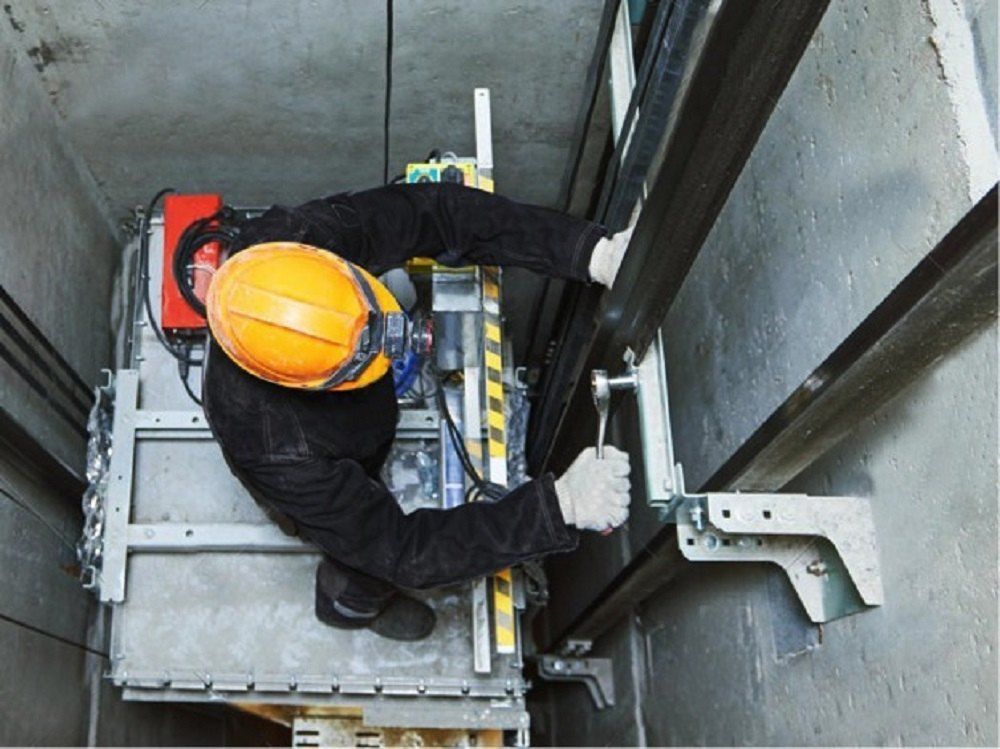
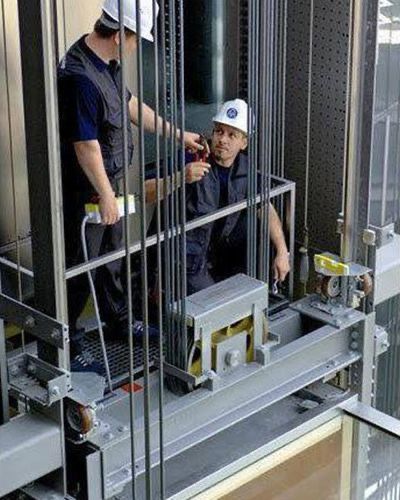
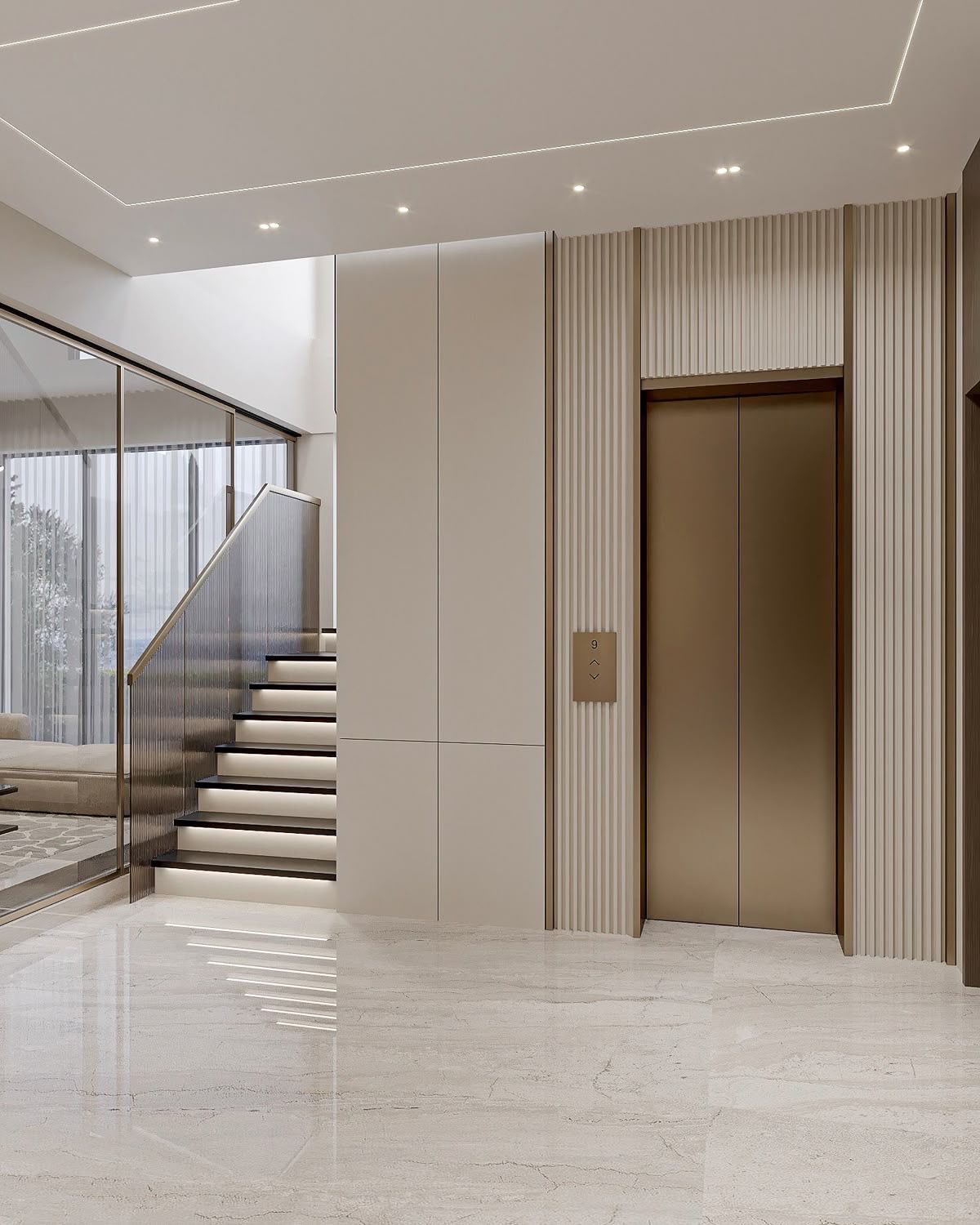
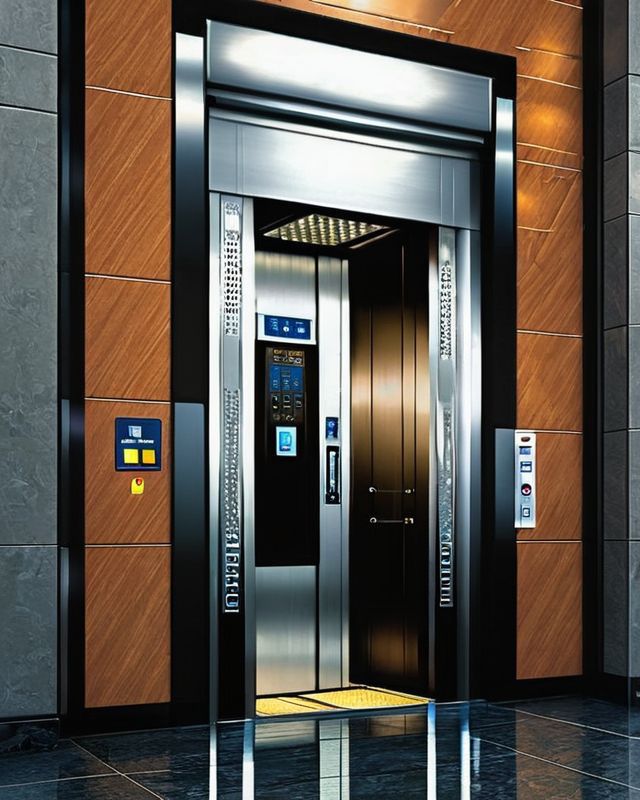
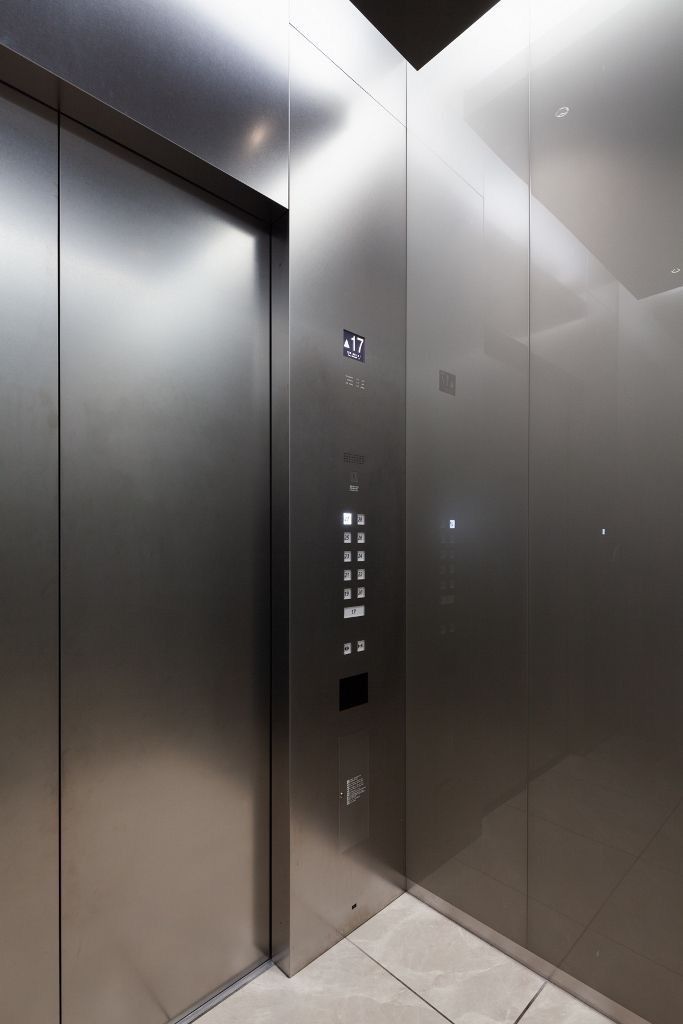
With the elevator modernization market reaching USD 9.46 billion in 2024 and projected to reach USD 14.11 billion by 2033, building owners are increasingly recognizing the transformative power of elevator modernization. As aging vertical transportation systems become costly to maintain and fail to meet modern standards, modernization offers a strategic solution that delivers substantial returns on investment while enhancing building performance.
This comprehensive guide explores the key benefits of elevator modernization, from dramatic energy savings to improved safety features, helping you understand why modernization is essential for maintaining competitive advantage in today’s commercial real estate market.
Why Elevator Modernization Matters More Than Ever
Technological advancement, safety concerns and urbanization are the factors that have fueled the growth of the elevator modernization market. Modern buildings require efficient, reliable, and safe vertical transportation systems that meet current codes while providing exceptional user experiences.
Elevator modernization transforms aging systems into efficient, technologically advanced infrastructure that addresses multiple business objectives simultaneously. Rather than waiting for complete system failure, proactive modernization delivers immediate benefits while positioning buildings for future success.
Dramatic Energy Savings Through Advanced Technology
Regenerative Drives: The Game-Changing Technology
Regenerative drives are changing the game when it comes to energy efficiency, capturing and reusing energy generated during braking to significantly reduce power consumption. These advanced systems represent the cornerstone of energy-efficient elevator operation, offering remarkable benefits:
Energy Recovery Capabilities:
High-efficiency regenerative drives can recover up to 43% of the elevator’s power consumption, with taller buildings achieving even greater energy recovery rates. This technology transforms elevators from pure energy consumers into partial energy generators, feeding captured energy back into the building’s electrical grid.
Substantial Cost Reduction:
Upgrading to a newer elevator could reduce energy bills by 20% to 45%, with some systems achieving even higher savings. Modernizing older, inefficient elevators can save an average of 72% in energy costs, particularly when converting from DC to AC drive systems.
Peak Demand Management:
Modern regenerative systems reduce peak power demand during high-traffic periods, helping buildings avoid costly demand charges while maintaining optimal performance.
LED Lighting and Smart Systems
Advanced Lighting Solutions: Upgrading from traditional incandescent lighting to LED systems can save up to 45% of energy consumption while providing superior illumination and extended lifespan. LED lights also reduce heat generation, contributing to overall building energy efficiency.
Intelligent Standby Modes: Modern elevators incorporate smart standby functionality that powers down non-essential systems during periods of inactivity. This feature proves particularly valuable in buildings with fluctuating traffic patterns, allowing elevators to minimize energy consumption during off-peak hours.
Machine-Room-Less Technology: Advanced drive systems eliminate the need for traditional penthouses and reduce HVAC requirements, requiring less space while consuming significantly less energy than conventional counterparts.
Enhanced Safety Through Modern Standards
Comprehensive Safety Upgrades
Safety improvements through modernization address multiple critical areas that protect passengers and ensure compliance with current regulations:
Advanced Door Systems:
Contemporary elevators incorporate sophisticated door sensors and safety mechanisms that prevent accidents. These systems include light curtains that detect obstructions and advanced software that prevents doors from closing on small objects, responding intelligently to human presence.
Emergency Communication Systems:
Modern elevators feature enhanced emergency communication capabilities, including two-way video communication systems and cellular connectivity. These systems ensure passengers can quickly contact emergency services while enabling building management to respond promptly to incidents.
Fire Safety Integration:
Updated elevators include fire recall systems and emergency lighting that activate automatically during emergencies, ensuring elevators can be safely used by emergency responders while providing adequate illumination during power outages.
Code Compliance:
Modernization brings elevators into compliance with current ASME A17.1 safety codes and ADA requirements, including features such as Braille buttons, auditory floor indicators, and extended door timing to accommodate passengers with disabilities.
Improved User Experience and Comfort
Smoother Operation and Enhanced Performance
Modern elevator systems dramatically improve the passenger experience through multiple technological and design enhancements:
Reduced Vibration and Noise:
Advanced control systems and vector control techniques can reduce jerk by 72-73%, creating significantly smoother acceleration and deceleration. Modern elevators provide quieter operation with reduced noise and vibration, creating a more comfortable riding environment.
Faster Response Times:
Destination dispatch systems optimize elevator efficiency by grouping passengers traveling to similar floors, reducing wait times and intermediate stops. These systems can reduce waiting times by up to 30% while improving overall building traffic flow.
Smart Technology Integration:
Modern elevators incorporate IoT connectivity and artificial intelligence to optimize traffic patterns and provide real-time status updates. Features include smartphone integration, touchless controls, and predictive arrival systems that enhance user convenience.
Aesthetic Improvements:
Modernization includes comprehensive interior upgrades with LED lighting, modern finishes, and digital displays that enhance visual appeal and create positive user experiences.
Accessibility and Universal Design
ADA Compliance and Inclusive Features
Modern elevator systems prioritize accessibility through comprehensive design improvements:
Universal Access Features:
Elevators now include wider doors, lower control panels, and wheelchair-accessible interiors as standard features. Braille control buttons and audio announcements ensure visually impaired passengers can use elevators independently.
Enhanced Mobility Support:
Modern systems include extended door timing, anti-slip flooring, and grab rails positioned for optimal accessibility. These features benefit not only individuals with disabilities but also elderly passengers and those with temporary mobility limitations.
Advanced Technology Integration
Smart Systems and IoT Connectivity
Modern elevators leverage cutting-edge technology to provide superior performance and operational efficiency:
Predictive Maintenance:
IoT sensors continuously monitor elevator performance, enabling predictive maintenance that prevents failures before they occur. This technology can reduce unplanned downtime by up to 50% while extending equipment lifespan.
Real-Time Monitoring:
Connected elevators provide 24/7 performance monitoring with real-time diagnostics and automated maintenance alerts. Building managers can access comprehensive data on elevator usage patterns, energy consumption, and maintenance needs.
Artificial Intelligence:
AI algorithms optimize elevator dispatch, predict traffic patterns, and continuously improve system performance based on usage data. These systems learn from passenger behavior to provide increasingly efficient service.
Financial Benefits and ROI
Immediate Cost Savings
Elevator modernization delivers substantial financial returns through multiple channels:
Reduced Operating Costs:
Energy savings of 25-40% combined with reduced maintenance expenses create significant long-term cost reductions. Modern systems require fewer emergency repairs and have lower component replacement costs.
Maintenance Efficiency:
If your elevator breaks down more than a couple of times a year, it’s financially smart to upgrade. Modern systems significantly reduce maintenance calls and associated costs.
Property Value Enhancement:
Studies indicate that buildings with modern elevators can command 10-15% higher property values compared to similar properties with outdated systems. The modernization investment typically pays for itself through increased rental rates and improved tenant retention.
Enhanced Tenant Satisfaction:
Modern elevators contribute to higher tenant satisfaction and improved lease renewal rates. Reduced downtime and improved reliability minimize tenant complaints while supporting premium rental pricing.
Regulatory Compliance:
Modernization ensures compliance with evolving safety codes and accessibility requirements, avoiding potential fines and legal liabilities.
Sustainability and Environmental Impact
Green Building Contributions
Modern elevator systems support sustainability goals through multiple mechanisms:
Carbon Footprint Reduction:
Regenerative drives and energy-efficient systems significantly reduce building energy consumption and associated carbon emissions. These improvements contribute to LEED certification and other green building standards.
Material Efficiency:
Modern systems often allow for up to 90% material recovery during modernization, reducing waste and supporting circular economy principles.
Extended Equipment Life:
Predictive maintenance and modern components extend elevator lifespan, reducing the need for frequent replacements and associated environmental impacts.
Market Trends and Future Outlook
Current Market Dynamics
2025 is shaping up to be a year where aesthetics meet responsibility in elevator modernization. The industry is experiencing significant growth driven by urbanization, aging infrastructure, and increasing focus on energy efficiency.
Modernization improves performance and reliability, boosts sustainability, and provides an opportunity to install the latest technology and safety features to elevate the passenger experience, making it an essential investment for forward-thinking building owners.
Is Elevator Modernization Right for Your Building?
Consider modernization if your building experiences:
- Frequent breakdowns requiring costly repairs
- High energy consumption from aging systems
- Tenant complaints about elevator performance
- Compliance issues with current safety codes
- Difficulty competing with modern buildings
Key Modernization Components to Consider
Control Systems: Upgrade to modern microprocessor-based controls with destination dispatch capabilities Drive Systems: Convert to regenerative AC drives for maximum energy savings Safety Features: Install current safety devices and emergency communication systems Accessibility: Ensure full ADA compliance with modern accessibility features Aesthetics: Update interiors with modern finishes and LED lighting
Maximizing Your Modernization Investment
Strategic Planning Approach
Successful elevator modernization requires careful planning and expert guidance:
Comprehensive Assessment: Evaluate current system condition, energy consumption, and future needs Phased Implementation: Consider staged modernization to minimize disruption and spread costs Technology Selection: Choose systems that provide the best combination of performance, efficiency, and ROI Professional Installation: Work with experienced modernization specialists who understand local codes and regulations
Conclusion: The Time for Modernization is Now
Elevator modernization represents a strategic investment that delivers immediate benefits while positioning buildings for long-term success. With energy savings of 20-45%, improved safety features, enhanced user experiences, and increased property values, modernization provides compelling returns on investment.
As buildings compete for quality tenants and strive to meet sustainability goals, modern elevator systems become essential infrastructure that supports business objectives while providing superior vertical transportation.
The combination of technological advancement, regulatory requirements, and market demands makes elevator modernization not just a smart choice, but a necessary investment for maintaining competitive advantage in today’s commercial real estate market.
Ready to explore elevator modernization for your building? Contact our experts today for a comprehensive assessment and customized modernization plan that delivers maximum ROI while enhancing safety, efficiency, and tenant satisfaction.