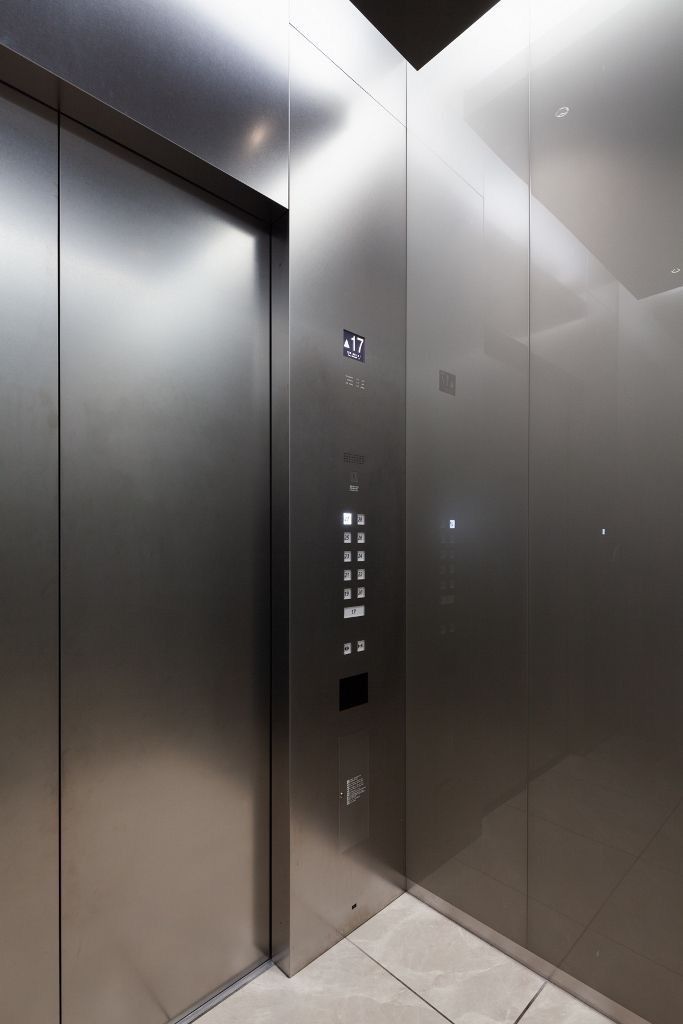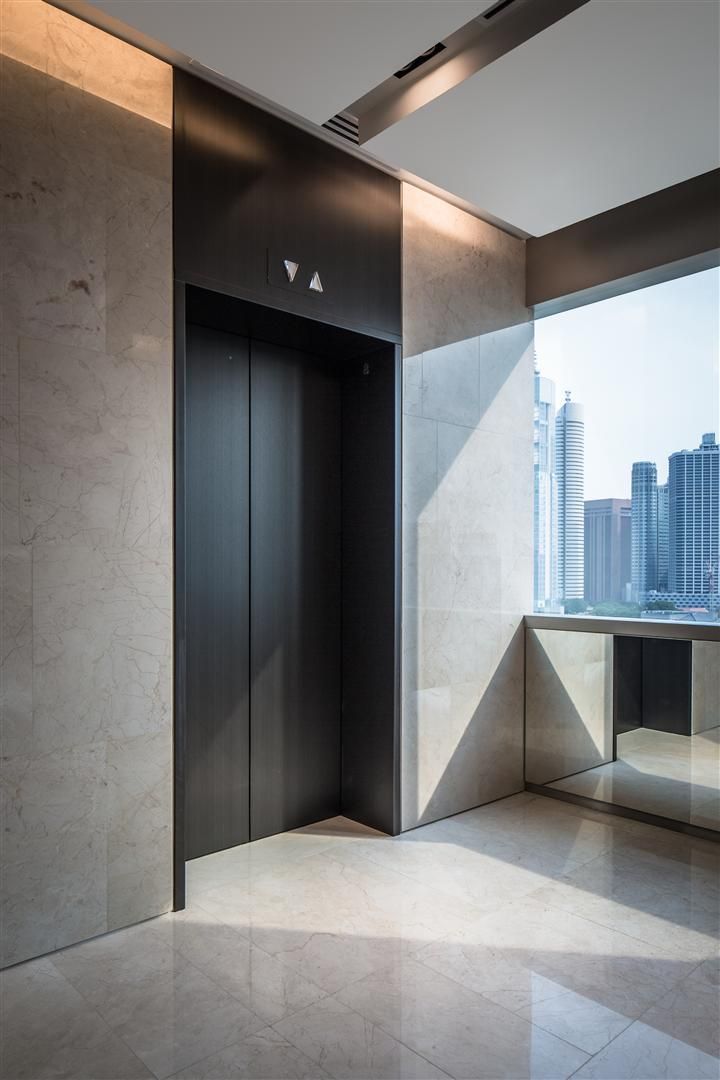
Ever wondered why elevators all seem kind of… the same? Those metal boxes you ride up and down in every day aren’t just random design choices—they’re built that way on purpose.
When lifts were first introduced in 1823, scientists Burton and Hormer (no, not a law firm) built them as a tourist attraction. They called it an “amending room”—which sounds like something out of a Victorian horror novel. At the time, these early lifts weren’t exactly safe or practical. But thanks to technological advances, we now have elevators that are faster, safer, and more common than awkward office small talk.
Today, elevators are essential in commercial buildings, homes, apartments, and hotels. But not all lifts are created equal. Here are the main types you’ve probably seen:
- Passenger Lifts: These are the standard ones you find in malls, apartment buildings, and offices. Built for humans. Mostly.
- Goods Lifts: These are designed for transporting heavy items and materials. Think service elevators in warehouses or back-of-house hotel areas.
- Dumbwaiters: Tiny elevators used for food, dishes, or documents. Popular in hotels and occasionally in the homes of very fancy people who don’t like stairs.
Passenger lifts
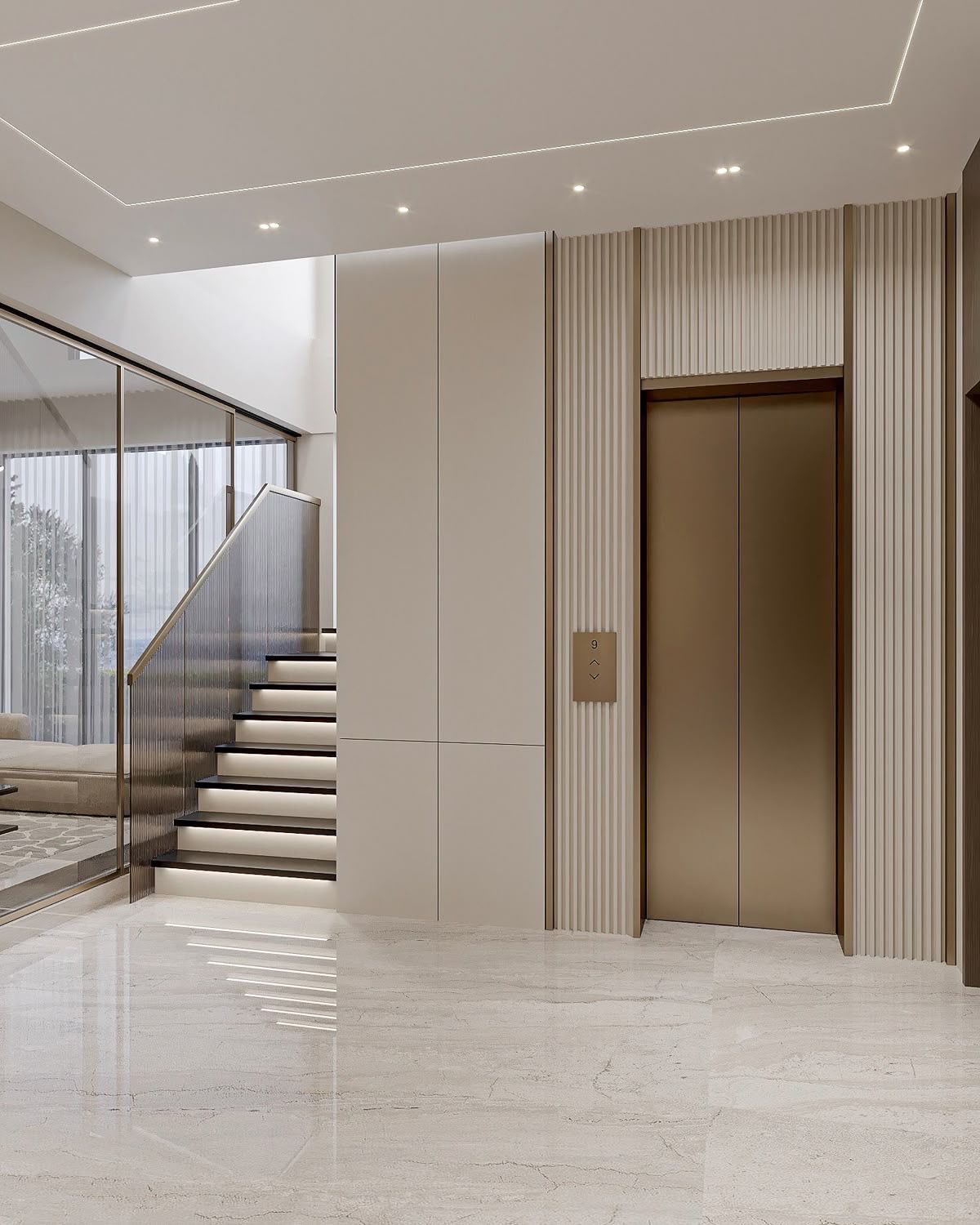
Passenger lifts (also called passenger elevators) are made to carry people safely between floors inside buildings. The size of the lift depends on the building it’s in, but they’re always enclosed to keep passengers safe and comfortable.
Main Features:
- Purpose: Used in homes, offices, malls, and other buildings to move people between floors.
- Design: Fully enclosed for safety and privacy.
- Types:
- Hydraulic lifts: Best for buildings with 5–6 floors. Smooth and quiet.
- Traction lifts: Use cables and pulleys. Great for taller buildings with more floors.
- MRL (Machine Room-Less) lifts: Save space and energy. Good for buildings that don’t have room for a separate machine area.
- Hydraulic lifts: Best for buildings with 5–6 floors. Smooth and quiet.
Goods lifts
Goods lifts (also called freight or service lifts) are built to move heavy items, tools, or materials instead of people. These are perfect for places like warehouses, stores, and factories.
Main Features:
- Purpose: For moving items like packages, machines, and supplies.
- Design: Strong and practical—not made for looks or comfort.
- Capacity: Can carry very heavy loads, from a few hundred kilos to several tons.
- Speed: Slower than passenger lifts, but built for strength.
- Safety: Basic safety features, since they don’t carry people.
- Maintenance: Simple to maintain, often by the building’s staff.
Common Places: Warehouses, factories, retail stores, delivery areas, and hospitals (for equipment).
Dumb waiter lifts
Dumbwaiters are tiny lifts used to move small things like food, books, or papers between floors. They are not made for people, only lightweight items.
Main Features:
- Size: Small—big enough for trays, books, or small packages.
- Purpose: Saves time and effort by moving items between floors.
- Speed & Capacity: Not fast or strong—just useful for small loads.
- Design: Simple controls and small compartments.
- Safety: Basic features since no passengers are involved.
Common Places: Restaurants, hotels, libraries, hospitals, and even large homes.
Why Choose FlyLifts?
Whether you’re building a high-rise, managing a hotel, running a warehouse, or just want a simple lift for your home, FlyLifts has the right solution. We provide high-quality lift installation, maintenance, and repair services for passenger lifts, goods lifts, and dumbwaiters.
Our expert team ensures that your lift is safe, efficient, and built to last. With FlyLifts, you’re not just going up and down—you’re moving smarter.
Ready to elevate your space? Let FlyLifts take you there.